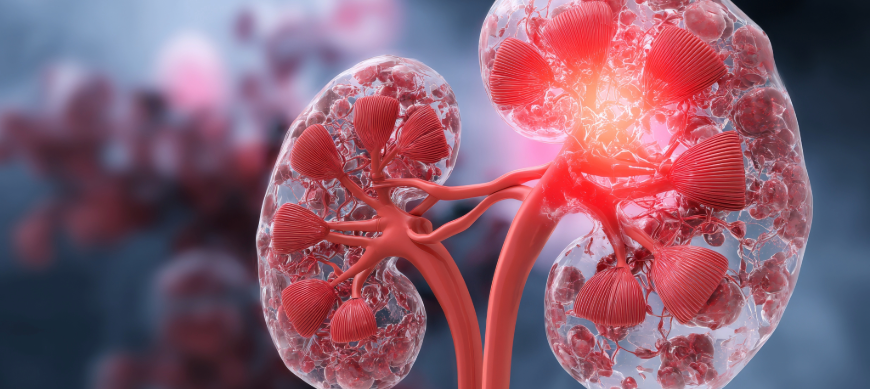
Autosomal dominant polycystic kidney disease (ADPKD) is one of the most common inherited kidney disorders worldwide. Characterized by the progressive formation of renal cysts, it leads to severe complications that can ultimately result in kidney failure. Despite the lack of curative treatments, a detailed understanding of the underlying molecular mechanisms remains essential to advance research in this field.
In this context, chromatin accessibility analysis by ATAC‑seq has become a key tool to unravel the epigenetic mechanisms associated with ADPKD. However, the quality and reproducibility of ATAC‑seq data strongly depend on a critical upstream step: nuclei preparation. Due to their inherent complexity, kidney tissues make this step particularly challenging and may introduce variability and batch effects if not properly controlled.
Researchers at Yale University addressed this challenge by developing a dedicated method using the Precellys Evolution Touch for nuclei isolation from wild‑type and pre‑cystic mouse kidneys, within a midi‑throughput workflow. This approach enables the isolation of intact and highly reproducible nuclei, perfectly suited for ATAC‑seq analyses, while ensuring excellent consistency between samples.
The complete application note, detailing the nuclei preparation protocol and the performance achieved for chromatin accessibility analysis by ATAC‑seq, is available on the Bertin Life Sciences Application Center.