Indoor air quality plays a decisive role in both animal and human health in livestock production. Farming activities and veterinary environments generate large amounts of airborne microorganisms that can spread through the air. This mode of transmission is frequently associated with the emergence and spread of highly infectious diseases, as well as with the development of respiratory disorders and airborne infections among workers operating in confined environments.
In intensive livestock systems, known as Concentrated Animal Feeding Operations (CAFOs), air therefore represents a major potential source of contamination for both animals and operators. Monitoring air quality makes it possible to identify the presence of pathogens and to implement targeted prevention and protection measures. This need has become even more critical in the post‑COVID‑19 context, marked by increased awareness of the role animals can play in the transmission of zoonotic diseases and in the emergence of pandemics.
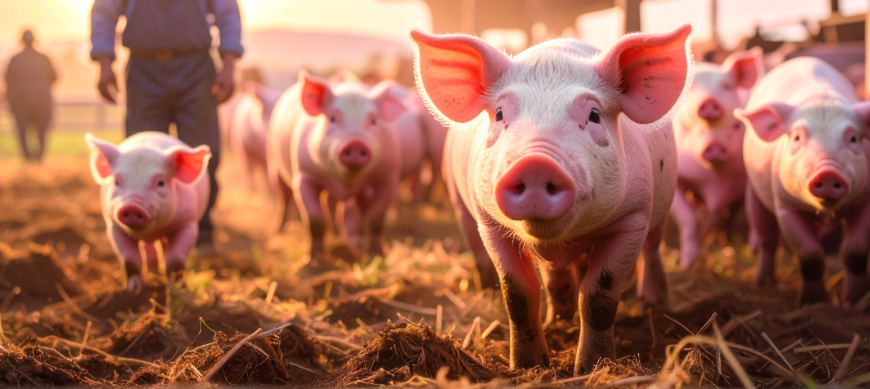
In a White Paper, Bertin Technologies demonstrates how Coriolis solutions can be used to collect and analyze air samples in order to detect, characterize, and identify biological agents present in the environment. The work presented highlights, in particular, the detection of the Swine Influenza A virus genome and confirms its ability to be transmitted via aerosols, illustrating the key role of air sampling in health surveillance strategies.