As the summer season approaches, interest in swimming in the sea, lakes and rivers continues to grow. Yet behind water that appears clear can hide invisible microbiological hazards, posing a real risk to public health. Monitoring the quality of bathing waters therefore becomes a major public health challenge, fully engaging health authorities and analytical laboratories.
Natural waters may be exposed to multiple sources of pollution (wastewater discharges, agricultural runoff or seasonal human activities) encouraging the presence of pathogenic microorganisms. Bacteria, parasites and microscopic algae represent potential contaminations that are difficult to detect without appropriate analytical methods. In this context, the bacterial indicators E. coli and Enterococcus play a central role in assessing the microbiological quality of bathing waters, in line with European and U.S. regulations. However, the turnaround times of conventional methods can limit responsiveness in the event of contamination.
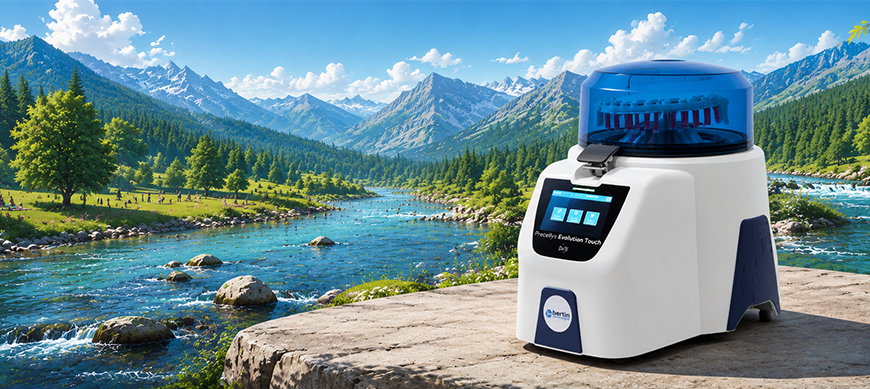
To address these challenges, obtaining reliable results within short timeframes is essential to anticipate risks and rapidly guide public health decisions. Our Application Note dedicated to the rapid quantification of microbiological contamination in natural waters presents a comprehensive approach based on the Precellys Evolution Touch. Suitable for seawater, lakes and rivers, this method enables the detection and quantification of E. coli and Enterococcus in less than 3 hours after sampling, in compliance with EU and EPA regulatory frameworks.
A key resource to help laboratories strengthen their responsiveness and approach the summer season with confidence.