Microbiome
The microbiome plays a key role in numerous research fields, ranging from human health to environmental studies. Precellys et Coriolis solutions optimize every step of the workflow, from sampling airborne microorganisms to the efficient homogenization of complex samples, ensuring accurate characterization of microbial communities.
Microbiome analysis
Accurate microbial profiling starts with sample preparation
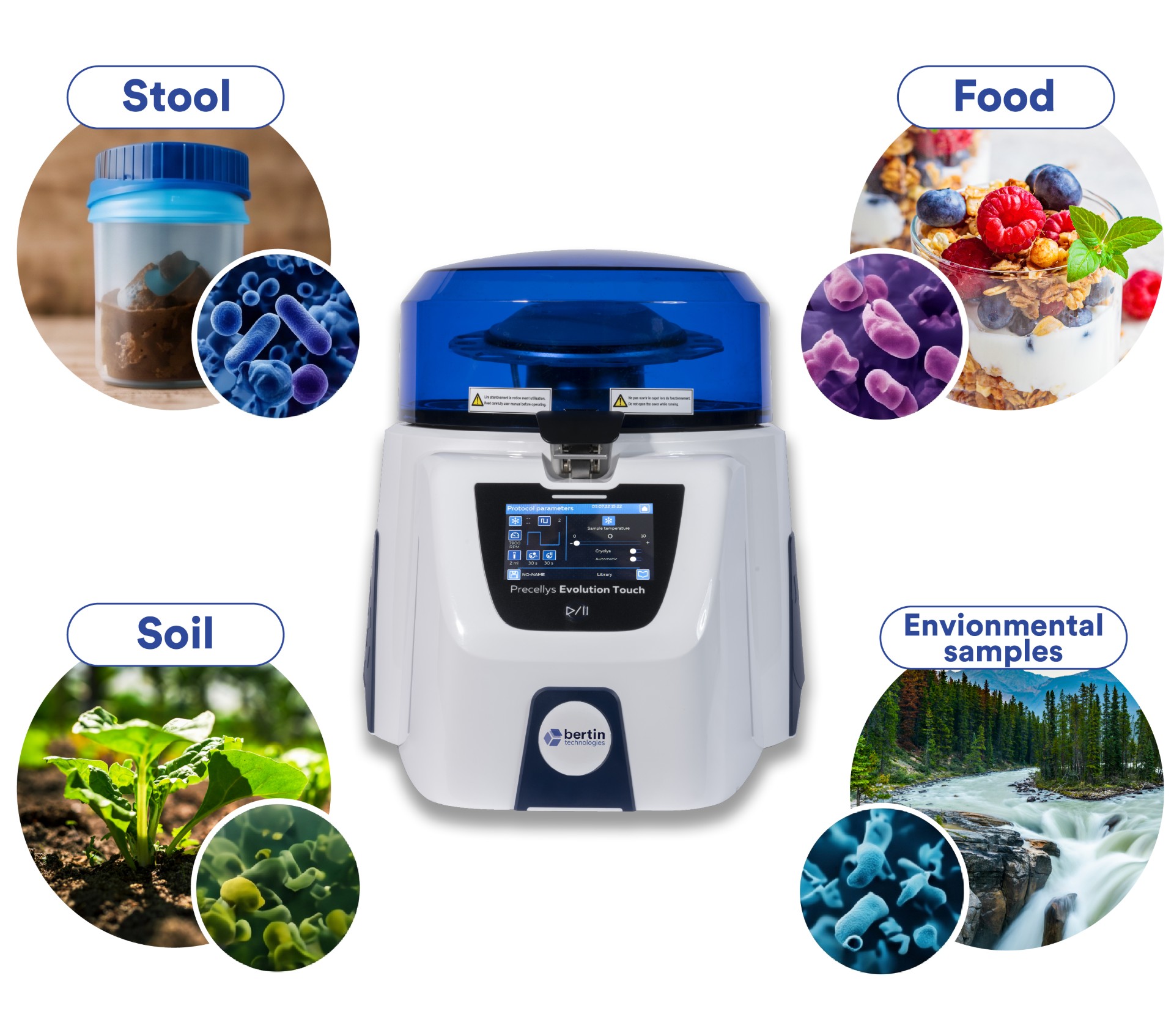
Microbiome analysis aims to characterize complex microbial communities from samples such as stool, food, soil or environmental matrices. Efficient and unbiased microbial lysis is essential to obtain representative DNA or RNA for downstream analysis.
Precellys® homogenizers, combined with dedicated lysing kits, enable efficient and reproducible lysis of a wide range of microorganisms across challenging sample types.
The challenge: obtaining representative microbial lysis
Reduce lysis bias
Microbiome samples contain microorganisms with different cell-wall properties. If lysis is incomplete, some species may be underrepresented in the final profile.
Adapt to complex samples
Microorganisms may be free in solution or embedded in challenging matrices such as stool, soil, food, or environmental samples.
Standardize sample preparation
Reproducible homogenization is essential to reduce variability between samples and improve downstream data quality.
Choose the right lysing matrix
Different microorganisms and sample types may require different bead sizes and materials for efficient disruption.
The Precellys solution
Efficient microbial lysis with 3D bead-beating
Precellys homogenizers use 3D bead-beating technology to provide fast and reproducible mechanical disruption of microorganisms. Combined with dedicated lysing kits and optimized protocols, Precellys can be adapted to different microbial communities and complex matrices before DNA or RNA extraction.
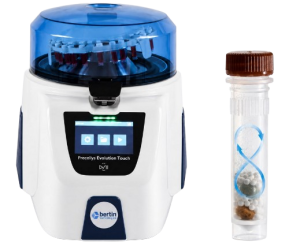
Dedicated lysing kits for microbiome applications
Choose the appropriate extraction kit according to your sample type to ensure efficient and representative microbial disruption.
| Your challenge | Precellys solution |
|---|---|
| General microorganism lysis | VK01 / VKMix |
| Tough microorganism lysis | VK05 |
| Microorganisms embedded in tissue | SK38 |
| Bacterial lysis | CK01 |
Airborne microbiological monitoring
Reliable Bioaerosol Collection for Environmental and Health Research
Airborne microorganisms and biological contaminants can impact public health, indoor air quality, and environmental safety. Whether monitoring pathogens such as Legionella, characterizing airborne microbial communities through metagenomics, assessing endotoxin exposure, or studying microorganisms in challenging environmental conditions, efficient air sampling is the first step toward reliable analysis.
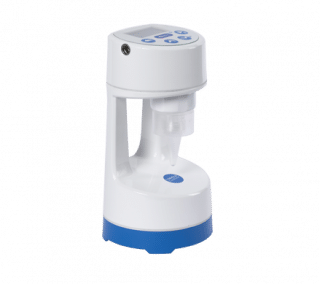
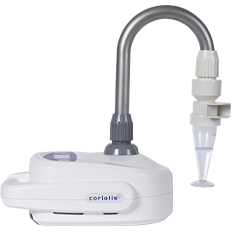
Coriolis® air samplers use liquid bioaerosol collection technology combined with high airflow rates to efficiently capture airborne microorganisms, biological particles, and microbial by-products. Compatible with both culture-based and molecular methods, Coriolis® supports a wide range of environmental microbiology and bioaerosol monitoring applications.
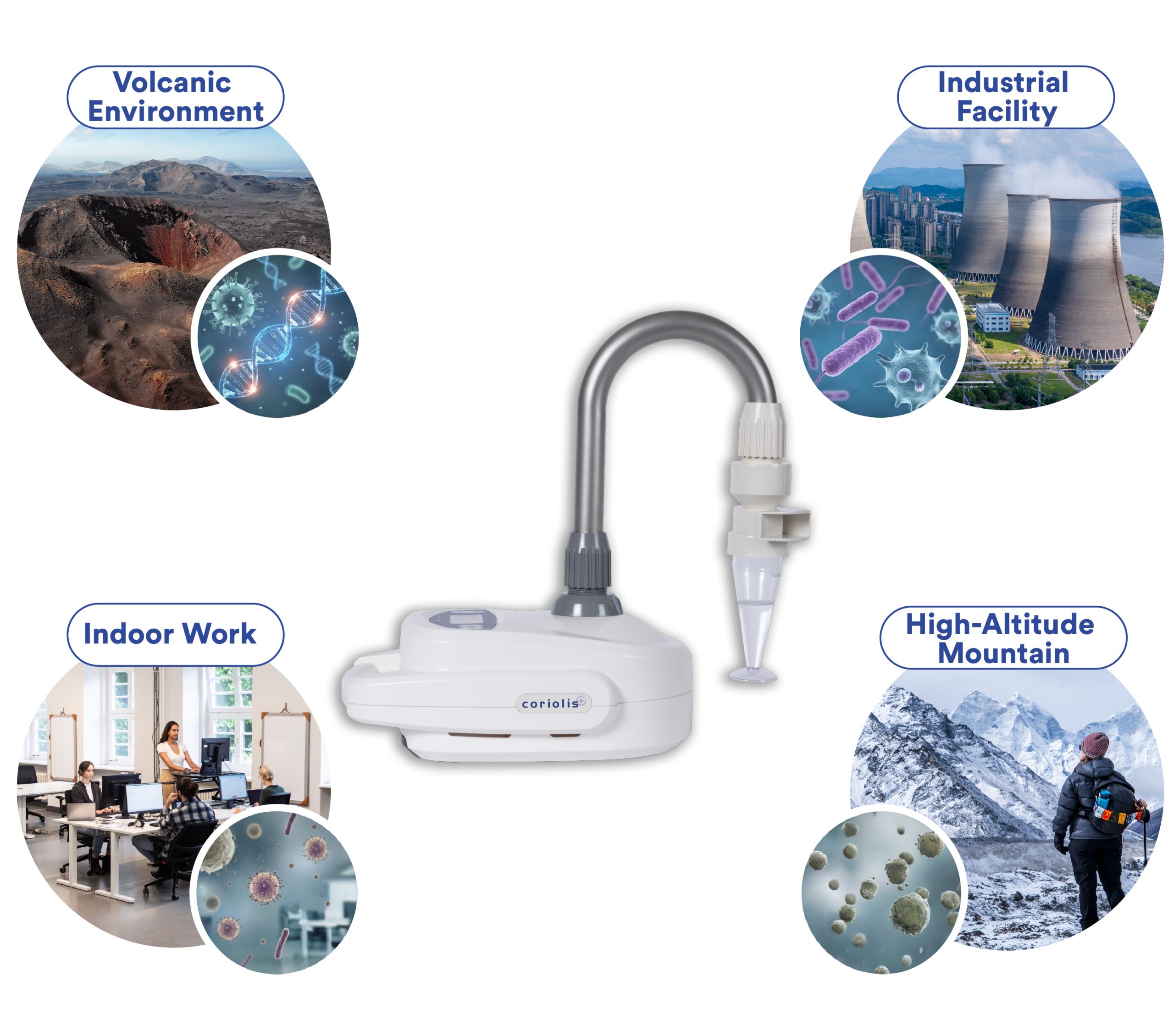
The Challenge: Collecting Representative Airborne Biological Samples
Capturing Low Concentrations of Bioaerosols
Airborne microorganisms and biological contaminants are often present at very low concentrations, requiring high-volume air sampling to ensure sufficient recovery for downstream analysis.
Maintaining Sample Compatibility
Collected samples must remain suitable for culture, PCR, qPCR, sequencing, metagenomics, and other laboratory techniques without compromising biological integrity.
Operating in Challenging Environments
Environmental monitoring may be conducted in locations with high humidity, fluctuating temperatures, or heavily contaminated atmospheres, requiring robust and reliable sampling performance.
The Coriolis Solution
Efficient Liquid Bioaerosol Collection
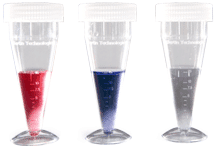
Coriolis air samplers combine high airflow rates with cyclonic liquid collection technology to maximize the recovery of airborne microorganisms and biological particles. Their liquid output simplifies sample processing and ensures compatibility with a wide range of microbiological, molecular, and environmental analyses.
Proven Solutions for Airborne Microbiology Studies
Choose the most suitable Coriolis application according to your monitoring objectives.
| Your challenge | Coriolis Application |
|---|---|
| Airborne microbiome characterization | Metagenomic analysis of airborne microbial communities |
| Airborne pathogen monitoring | Detection of Legionella and free-living amoebae |
| Indoor air quality assessment | Endotoxin detection in office environments |
| Sampling in challenging environmental conditions | Bioaerosol monitoring in high-humidity environments |
Related products